The Art of Balance: How Interior Design and Home Designer Collaborate for Stunning Results
In the realm of home layout, striking an equilibrium in between looks and functionality is no little task. This fragile equilibrium is achieved through the harmonious partnership in between indoor developers and architects, each bringing their distinct expertise to the table. The result? Areas that are not just aesthetically magnificent but also incredibly comfortable. Nonetheless, this perfect blend is not always easy to achieve. Stay with us as we explore the complexities of this collective process and its transformative influence on home style.
Recognizing the Core Distinctions In Between Interior Decoration and Home Architecture
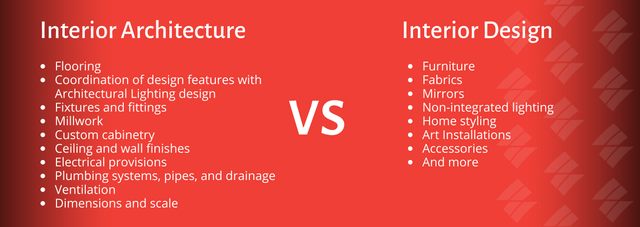
While both Interior Design and home style play essential duties in developing visually pleasing and practical spaces, they are naturally various self-controls. Home design largely concentrates on the structural aspects of the home, such as constructing codes, security regulations, and the physical building and construction of the room. It handles the 'bones' of the structure, dealing with spatial dimensions, bearing walls, and roof covering styles. On the various other hand, Interior Design is much more worried with improving the visual and sensory experience within that structure. It entails picking and arranging furnishings, selecting shade plans, and incorporating attractive components. While they operate in tandem, their roles, duties, and areas of competence diverge dramatically in the creation of an unified home environment.
The Harmony In Between Home Architecture and Interior Decoration
The harmony between home design and Interior Design depends on a shared vision of style and the improvement of functional aesthetics. When these two areas straighten harmoniously, they can transform a living area from average to remarkable. This cooperation calls for a deeper understanding of each discipline's principles and the capability to develop a cohesive, aesthetically pleasing atmosphere.
Unifying Layout Vision
Linking the vision for home design and interior layout can develop an unified living area that is both practical and aesthetically pleasing. It advertises a synergistic strategy where building elements enhance interior layout elements and vice versa. Hence, unifying the style vision is essential in mixing design and indoor style for stunning outcomes.
Enhancing Functional Aesthetic Appeals
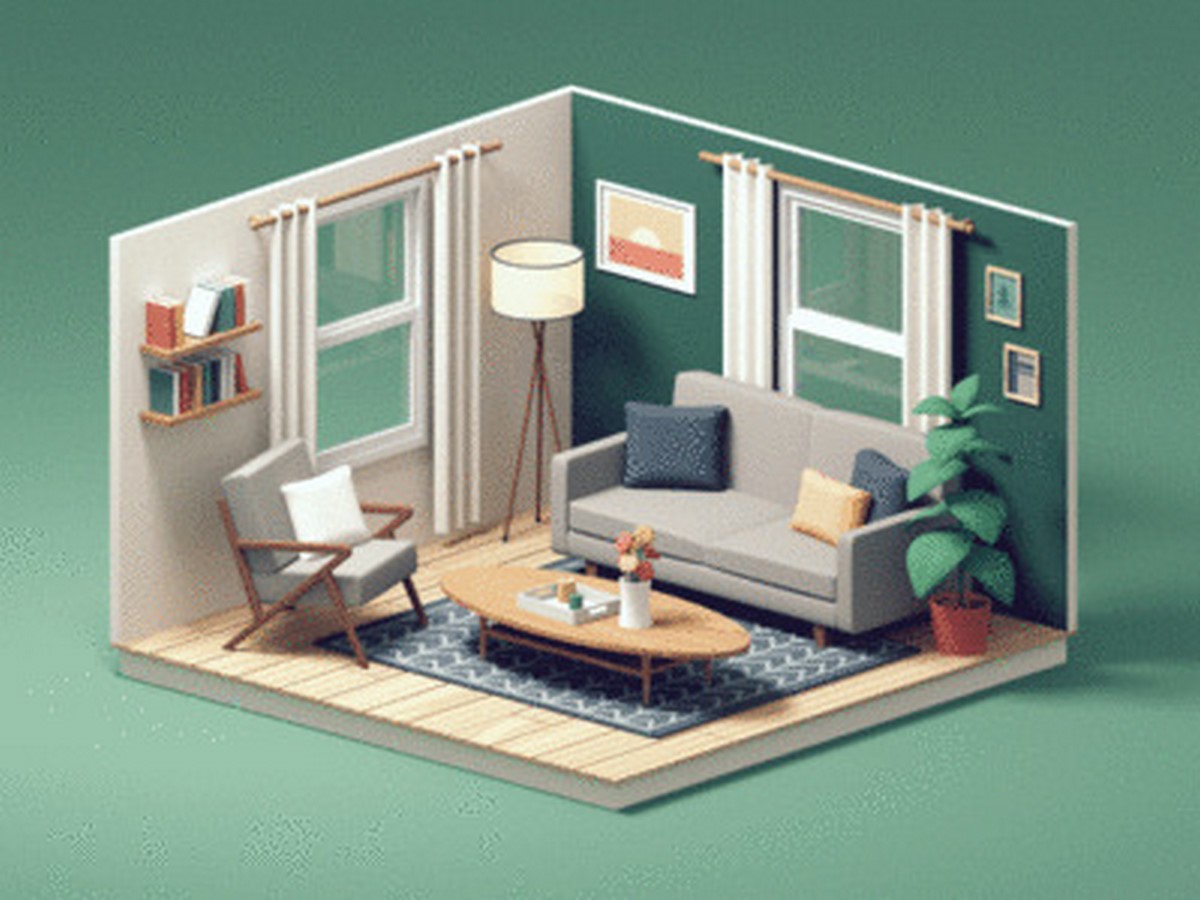
How does the harmony between home architecture and Interior Design enhance practical visual appeals? This harmony allows the production of areas that are not only aesthetically appealing yet also comfortably useful. Designers lay the groundwork with their architectural style, guaranteeing that the space is reliable and functional. The interior developer then complements this with meticulously chosen components that improve the visual appeals without compromising the capability. This unified partnership can result in homes that are both stunning and livable. For instance, an engineer might develop a residence with huge home windows and high ceilings. The interior designer can then highlight these functions with sheer curtains and tall plants, respectively, therefore improving the visual allure while keeping the sensible advantages of all-natural light and space.
Value of Collaboration in Creating Balanced Spaces
The cooperation between interior designers and architects is crucial in creating balanced spaces. It brings harmony between design and architecture, providing birth to spaces that are not just visually pleasing yet additionally functional. Discovering effective collaborative techniques can offer insights into exactly how this harmony can be effectively accomplished.
Integrating Design and Design
Equilibrium, a crucial facet of both Interior Design and design, can only truly be attained when these 2 fields work in consistency. This harmony is not simply a visual factor to consider; it impacts the capability, longevity, and inevitably, the livability of a room. Inside designers and developers must comprehend each other's functions, value their know-how, and connect properly. They need visite site to think about the interplay of architectural aspects with decor, the circulation of areas, and the influence of light and color. This joint procedure results in a cohesive, balanced design where every aspect has a purpose and contributes to the total visual. As a result, integrating style and design is not nearly developing stunning rooms, but concerning crafting spaces that function perfectly for their citizens.
Successful Joint Approaches
Situation Researches: Successful Integration of Style and Architecture
Analyzing several instance research studies, it becomes evident just how the effective integration of indoor layout and style can transform a space. Architect Philip Johnson and indoor designer Mies van der Rohe collaborated to produce a harmonious equilibrium in between the inside and the framework, resulting in a smooth circulation from the exterior landscape to the inner living quarters. These situation research studies highlight the profound effect of a successful style and design cooperation.

Getting Rid Of Difficulties in Design and Style Partnership
Regardless of the undeniable benefits of a successful partnership between interior style and style, it is not without its obstacles. Engineers may prioritize structural integrity and security, while designers focus on comfort and style. Reliable interaction, common understanding, and concession are crucial to overcome these challenges and accomplish a effective and unified cooperation.
Future Trends: The Advancing Connection In Between Home Architects and Inside Designers
As the globe of home layout proceeds to evolve, so does the relationship between architects and interior developers. Conversely, interior developers are welcoming technological facets, affecting total design and performance. The future guarantees a much more cohesive, innovative, and adaptive approach to home design, as developers and designers continue to blur the lines, fostering a partnership that absolutely personifies the art of equilibrium.
Final thought
The art of balance in home design is achieved via the unified cooperation between interior developers and engineers. An understanding of each other's disciplines, effective interaction, and shared vision are critical in producing visually stunning, useful, and welcoming spaces. Regardless of obstacles, this partnership fosters development and development in see post design. As the connection between home engineers and indoor designers advances, it will remain to form future trends, boosting comfort, performance, and individual expression in our home.
While both interior layout and home architecture play essential functions in creating visually pleasing and site web functional areas, they are inherently different techniques.The synergy in between home architecture and interior layout lies in a common vision of style and the improvement of functional visual appeals.Linking the vision for home architecture and indoor layout can create an unified living room that is both functional and visually pleasing. Hence, unifying the design vision is vital in mixing architecture and interior layout for spectacular outcomes.
Just how does the synergy between home style and interior design boost functional aesthetic appeals? (Winchester architect)